
NATIONS LEAGUE KIT GUIDE
Nations League Kit Guide: What to Wear for Six Match Days
Six match days, three months, and every kind of weather. The 2026/27 Nations League runs from a warm late-September double-header to two freezing November nights — and what you wear to watch it changes completely in between. Here is how to get the kit right, from reading the label to layering for a Tuesday in November.
First: reading the label
Shirts are built for different jobs, and the price difference usually comes down to cut and fabric rather than the badge. Knowing which is which saves you money.
Everyday support
Fan Edition
The relaxed cut. Roomier through the shoulders and body, built in a heavier knit that survives a full season of washing. This is the shirt for wearing to a bar or a sofa, and it is the one most supporters buy.
On-pitch cut
Athletic Fit
The narrower, closer cut. Slimmer through the chest and waist with a lighter, faster-drying fabric. If you normally sit between two sizes, size up — this one is designed to be worn close.
Fabric upgrade
Moisture-Wicking
A technical knit that pulls sweat away from the skin instead of holding it. Worth paying for if you actually play, or if you wear the same shirt to five-a-side and to the pub.
Elevated finish
Premium
Heavier weight fabric, cleaner stitching and a more tailored drape. The one to buy if you want a shirt that looks right with a jacket as well as with jeans.
The short version: if you want one shirt for match days, buy Fan Edition. If you play, add Moisture-Wicking. If you want a shirt that reads as a piece of clothing rather than merchandise, go Premium — and size up if you prefer the looser cut.
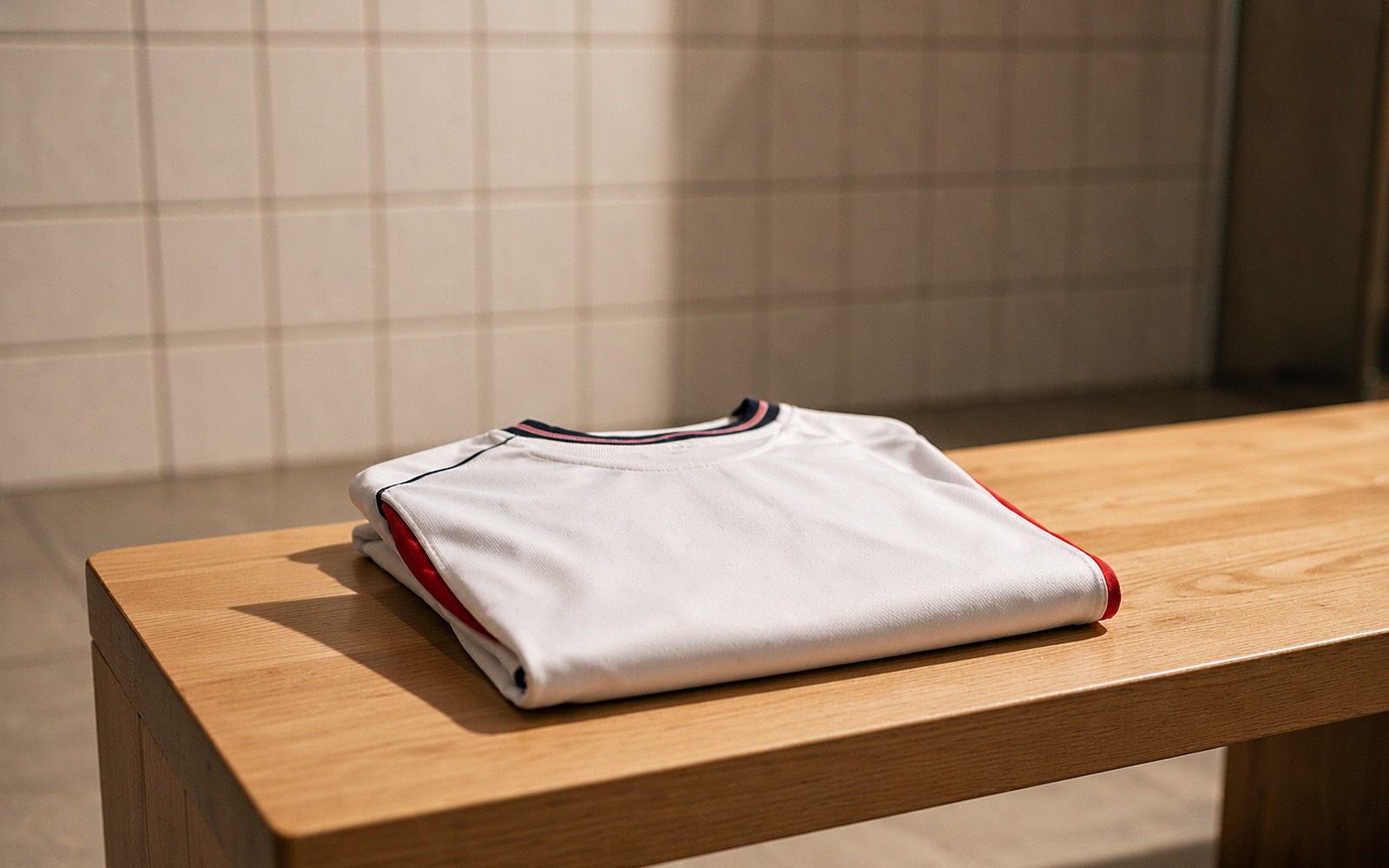
September: four games in thirteen days
The autumn block runs from 24 September to 6 October and is the strangest part of the calendar — late-summer heat in southern Europe, early autumn rain in the north, and nations playing twice inside seventy-two hours.
For supporters, that means two things. First, buy for the second game, not the first: your shirt is going to be worn twice in a week, so a Fan Edition that washes well beats a delicate fabric every time. Second, if you are travelling, pack for a temperature gap — Madrid in late September and Oslo in late September are not the same trip.
What to wear
The warm-weather fixture
Single shirt, no base layer. Pick moisture-wicking if you are standing in the sun for two hours.
What to wear
The rainy away day
Shirt over a light hoodie, and take a jacket you can tie round your waist. Heavier knits handle the drizzle better.
What to wear
The double-header week
One home shirt, one away. Rotate them and neither gets worn twice in four days.
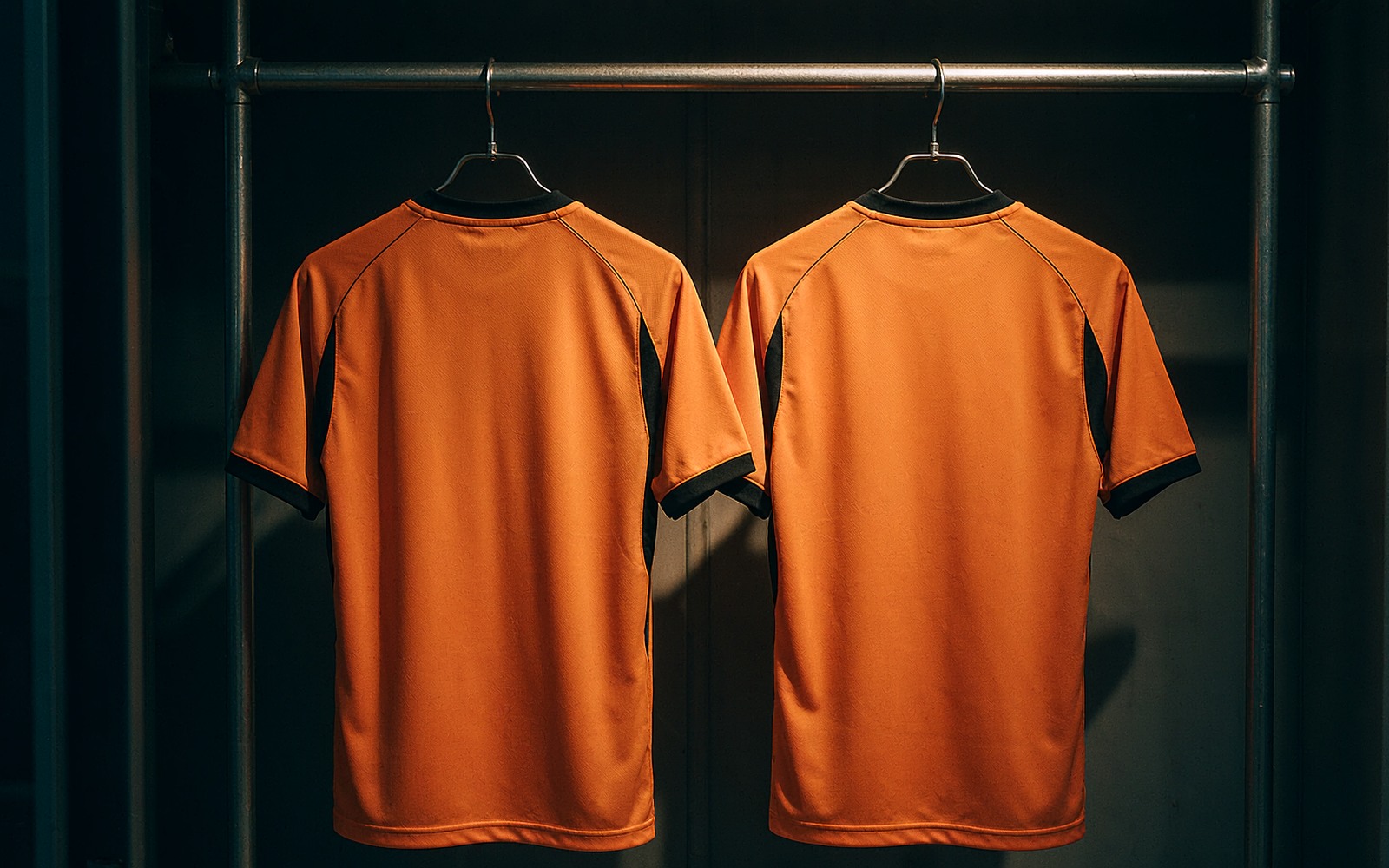
November: two nights that decide everything
Match days five and six land on 12–17 November, when most of Europe is between five and ten degrees at kick-off and the stands get genuinely cold. This is where the way you wear the shirt matters more than the shirt itself.
The reliable formula is three thin layers rather than one thick one: a thermal or base layer you already own, the shirt over it, and a jacket on top. A shirt worn over a hoodie looks deliberate; a shirt under a heavy coat looks like an afterthought. And if you are going to buy one thing specifically for November, make it a Premium shirt — heavier fabric holds warmth far better than a light technical knit.
Nation by nation
The 2026/27 competition spans 54 nations and every colour in the spectrum. These are the countries with the biggest supports, and what their home shirt traditionally looks like.
| Nation | Group | Home colours | Shop |
|---|---|---|---|
| England | A3 | White | England → |
| Spain | A3 | Red | Spain → |
| France | A1 | Blue | France → |
| Germany | A2 | White | Germany → |
| Netherlands | A2 | Orange | Netherlands → |
| Portugal | A4 | Red | Portugal → |
| Italy | A1 | Blue | Italy → |
| Belgium | A1 | Red | Belgium → |
| Croatia | A3 | Red and white checks | Croatia → |
| Denmark | A4 | Red | Denmark → |
| Norway | A4 | Red | Norway → |
| Wales | A4 | Red | Wales → |
| Türkiye | A1 | Red | Türkiye → |
| Scotland | B1 | Navy blue | Scotland → |
| Republic of Ireland | B3 | Green | Ireland → |
| Northern Ireland | B2 | Green | N. Ireland → |
| Sweden | B4 | Yellow | Sweden → |
| Poland | B4 | White | Poland → |
| Ukraine | B2 | Yellow | Ukraine → |
| Czechia | A3 | Red | Czechia → |
| Switzerland | B1 | Red | Switzerland → |
| Hungary | B2 | Red | Hungary → |
| Greece | A2 | Blue | Greece → |
| Austria | B3 | Red | Austria → |
| Romania | B4 | Yellow | Romania → |
| Iceland | C4 | Blue | Iceland → |
| Bosnia and Herzegovina | B4 | Blue | Bosnia → |
| Albania | C1 | Red | Albania → |
| Slovenia | B1 | White | Slovenia → |
Home colours vary by season and by supplier — the collection page is always the accurate version.

Four things worth adding
Add-on one
An away shirt
Two match days in a week means two shirts. Away kits also solve the problem of sitting in a block of the same colour.
Add-on two
Your name, your number
The cheapest way to make a shirt yours. Pick a squad number you have actually worn, or go with a family name.
Add-on three
A kids' kit
Nations League nights are the easiest introduction to the sport there is. A full kids' set costs less than a match ticket.
Add-on four
A base layer
The single best value purchase for a November fixture. It goes under everything and it turns a summer shirt into a winter one.
Making it last
National team shirts take more punishment than club shirts because they get worn in bursts. Three habits keep them sharp:
Habit one
Wash cold, inside out
Turn the shirt inside out before it goes in. It protects printed names and numbers from rubbing against the drum.
Habit two
Skip the dryer
A tumble dryer is the fastest way to crack a number. Air dry instead — it takes a few hours and costs nothing.
Habit three
Dry away from direct sun
Strong sunlight fades colour. A shaded line or a clothes horse indoors keeps the shirt looking new for longer.
Heat is what kills printed names and numbers — a warm wash and a hot dryer will crack both inside a season. Cold water and a clothes horse will keep a shirt presentable for years.
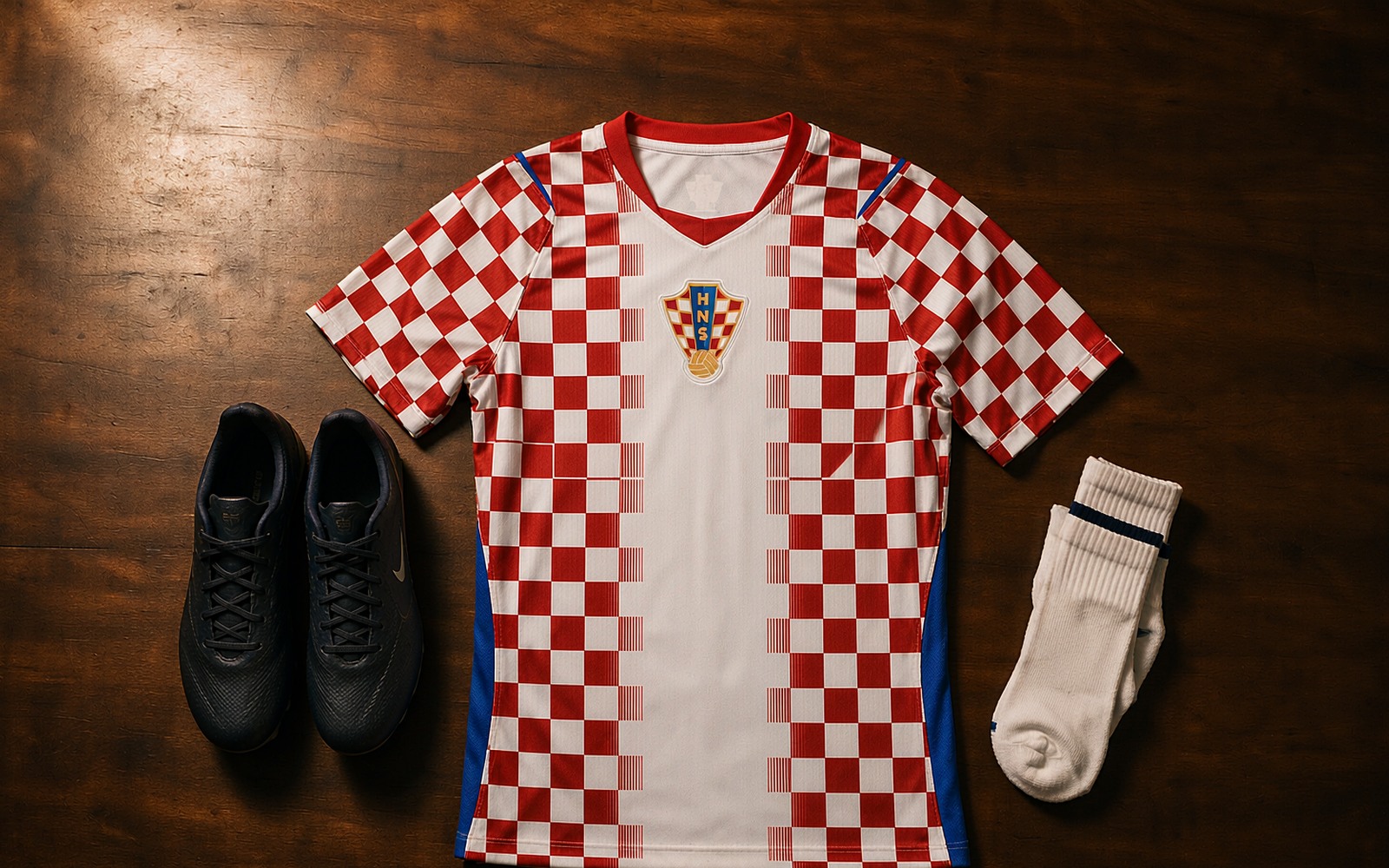
Ready for match day one
Fifty-four nations, one autumn of football. Find your colours and get them before the first whistle.
Shop National Teams Kids' KitsCommon questions
Should I buy the Fan Edition or the Athletic Fit shirt?
Fan Edition if you watch. Athletic Fit if you play, or if you prefer a closer cut — just size up if you are between sizes.
What size should I order?
Fan Edition fits true to your normal size. Athletic Fit runs narrower through the chest and waist, so most people take one size larger than usual.
How do I stop the name and number cracking?
Wash cold, turn the shirt inside out, skip the tumble dryer and hang it to dry. Heat is the only thing that really damages printed details.
Can I put my own name on a national team shirt?
Yes — custom names and numbers are available across the national team range, and they are added before the shirt ships.